
Three ways to live in Bali
- Most popular with students
- Shared villa
- Most authentic
- Balinese house
- Best for small budgets
- Kost
Villas
The student favorite.
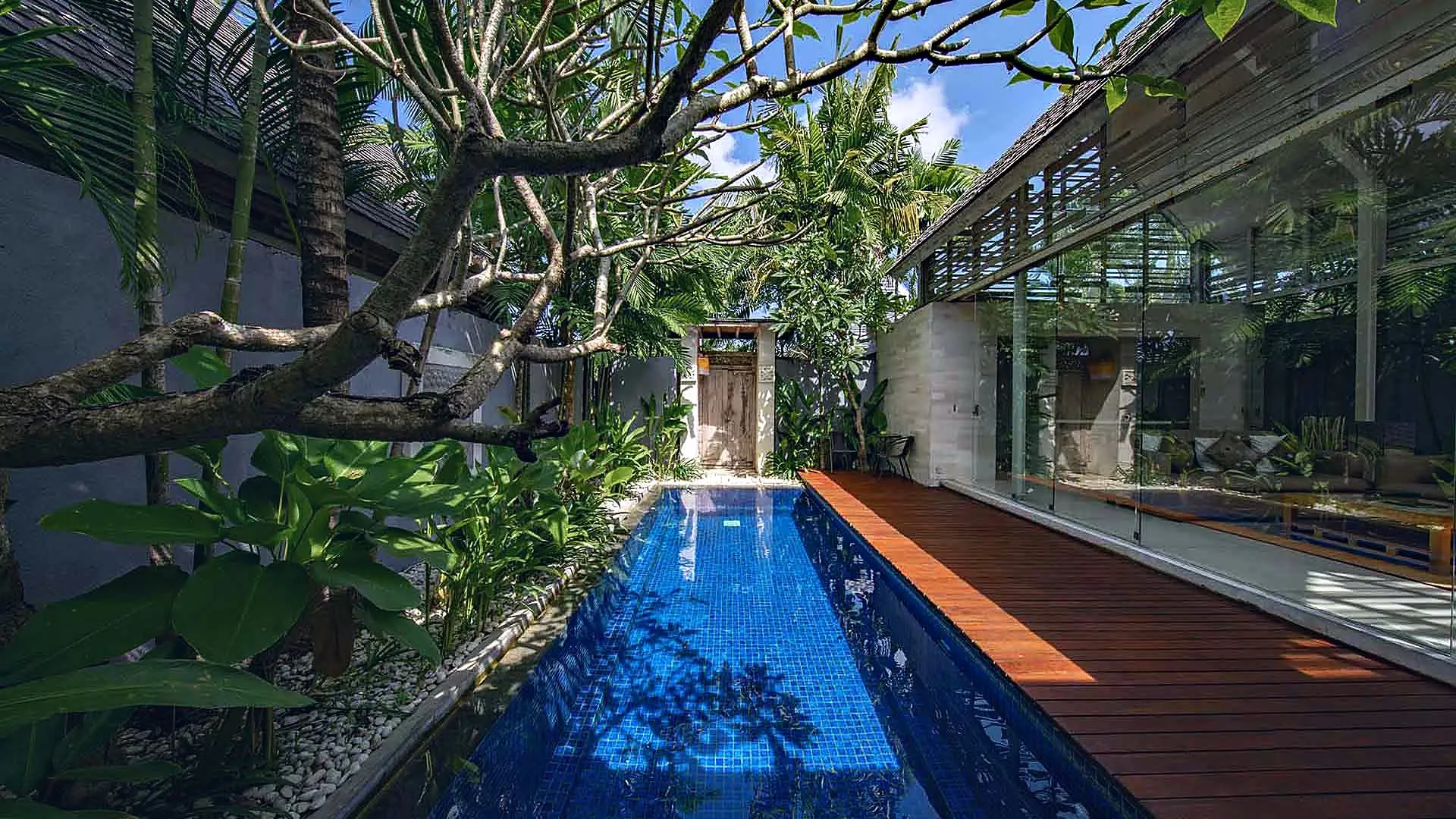
Villas have been the most popular choice for years: tropical houses with a pool and often staff like a housekeeper and gardener. Students share the rent and often pay no more than for a dorm room at home.
You find student villas on well-known booking platforms or on the spot with agents who specialize in student housing. Some agents also have websites where you can book a single room in a villa or find flatmates to share one.
Houses
Live like the Balinese.
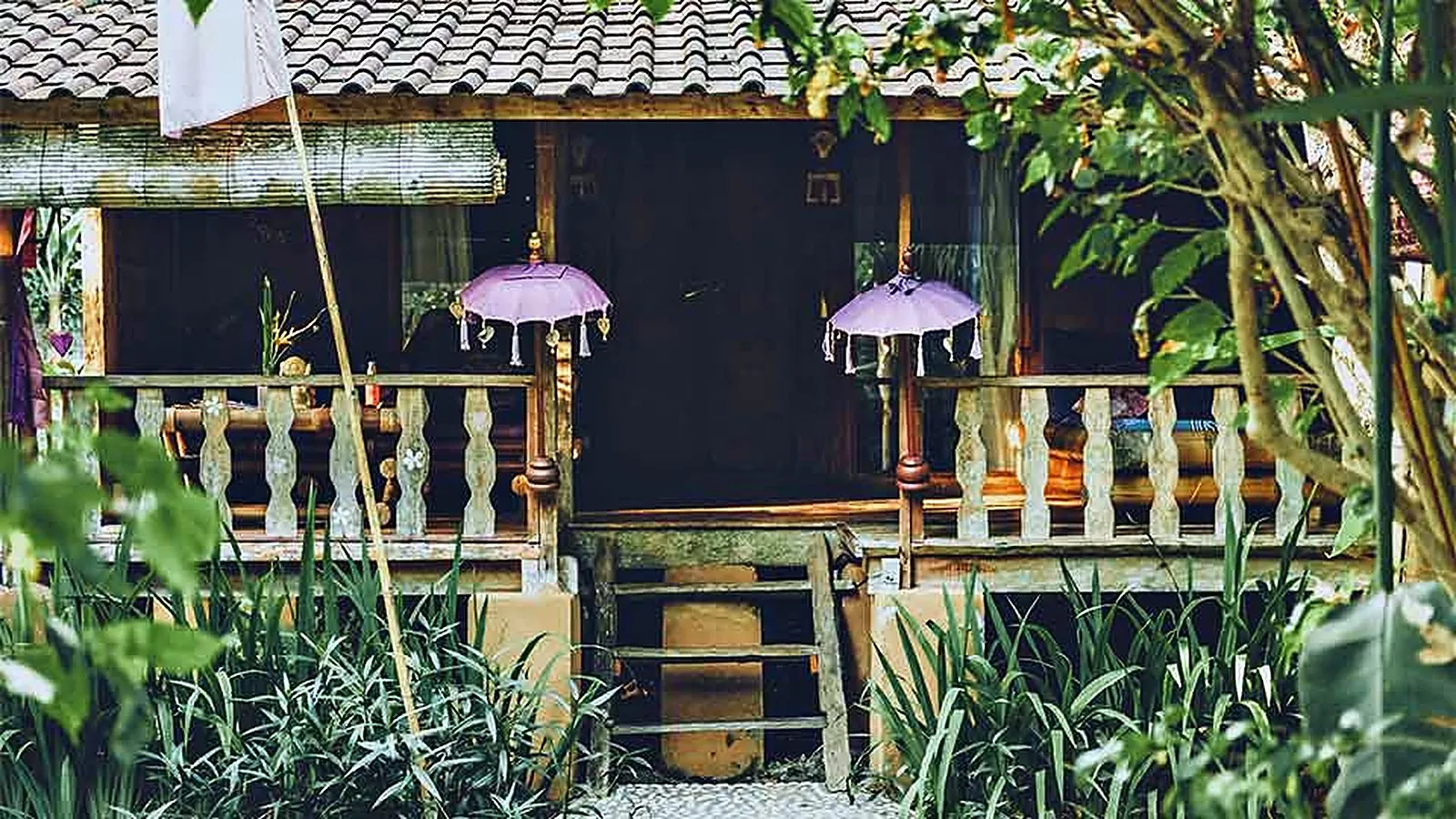
Houses, often built in traditional Balinese style, are a cheaper alternative to villas. They usually come without a pool or staff, but they are a wonderful way to experience local life. You mostly find them on the spot, through newspaper ads or in social media groups.
Kost
Budget-friendly and authentic.
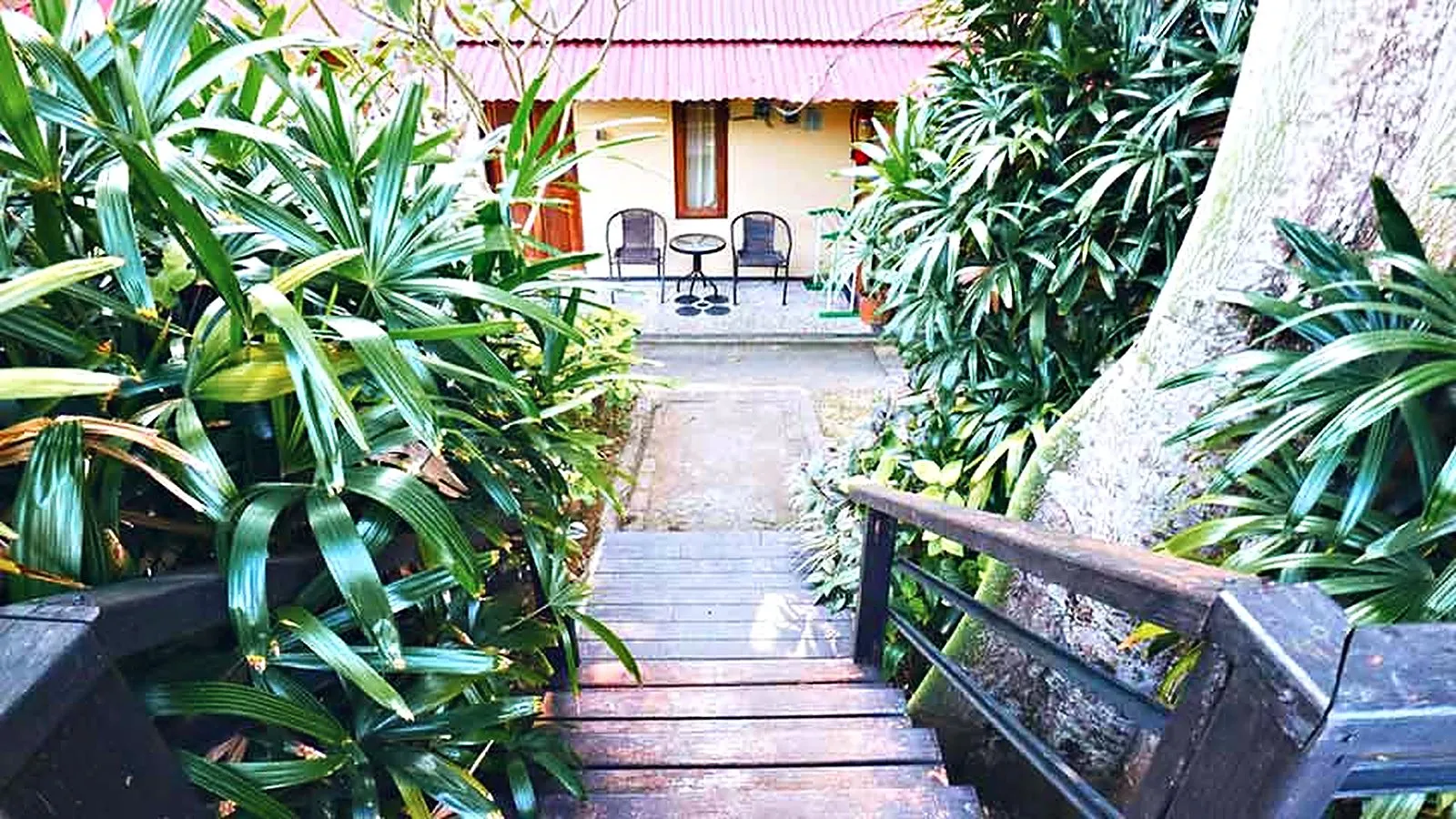
The Indonesian “kost” is the cheapest way to live in Bali: a small room with its own bathroom, sometimes with a kitchenette, in a guest house. Rent is paid monthly and depends on whether you want air conditioning. It is the most popular choice among Indonesian students.
Which type of student are you?
Where you live shapes your semester. Most GoBali students fall into one of two types.
The focused student: live close to campus
Your studies come first: you want to be on time for class, meet your study group in the library and still have energy left for the beach. Then live close to your campus.
- Udayana (Jimbaran campus): Jimbaran, Ungasan or around Nusa Dua
- Ngurah Rai (Denpasar campus): Denpasar, Renon or Sanur
A 5 to 15-minute ride to class, lower rents than in the tourist hubs, and quiet evenings when exams come up. Jimbaran Beach and the Uluwatu surf spots are still right on your doorstep.
The lifestyle student: live where Bali happens
You want the full Bali experience: surf at sunrise, cafés, co-working spaces, beach clubs and a big international crowd. Then Canggu or Seminyak are your places, and Ubud if you prefer jungle, yoga and culture.
The trade-off is the commute: from Canggu it can take up to an hour to the Jimbaran campus at rush hour, and rents are higher. If you choose this, look for a place near a main road, plan your ride around class times and share rides with flatmates.
| Where you live | Close to campus | Lifestyle hub (Canggu, Seminyak) |
|---|---|---|
| Ride to class | 5–15 minutes | up to an hour at rush hour |
| Rent | lower | higher |
| Evenings | calm, local warungs, sunsets in Jimbaran | cafés, beach clubs, nightlife |
| Best for | full course load, exam weeks, saving money | experiencing Bali to the full, surfing, networking |
Not sure yet? Many students start close to campus and spend their weekends in Canggu or Ubud, or move after a few weeks once they know their timetable.
Finding your place in three steps
- Book your first nightsArrive stress-free with a few nights in a guesthouse or villa in the area you want to live in.
- View in personCheck out villas, houses or kosts with an agent or through student groups, ideally together with future flatmates.
- Agree clearly, then move inGet the price, what is included, the deposit and the rental period in writing before you pay.
Before you sign
- Distance and traffic: test the route to campus at the time you would ride to class.
- What is included: electricity, Wi-Fi, water, cleaning, pool and garden care.
- Wi-Fi speed: ask for a speed test if you need it for online classes or calls.
- Air conditioning and hot water in every bedroom you will use.
- Safe parking for your scooter.
- Deposit and payment: how much, when you get it back, and pay in a way you can trace.